
Why Fast Replies Matter More Than Bigger Ad Budgets
Learn how faster replies improve conversions for service businesses and how to build a simpler inquiry-to-booking workflow.
Speed Is Part of the Customer Experience
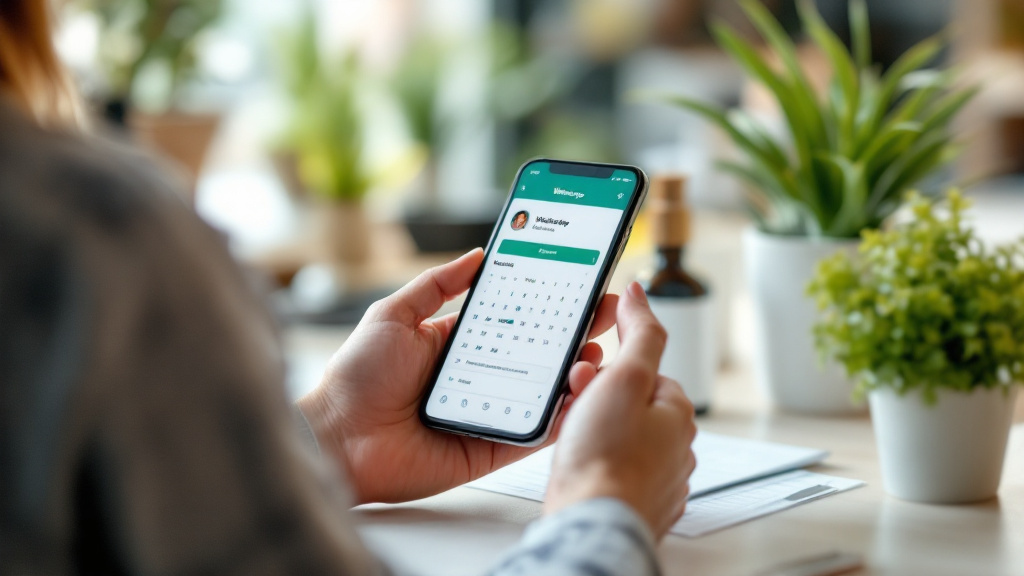
When a prospective customer asks about a bridal hairstyle, medical appointment, tutoring session, or repair visit, they are usually comparing options in real time. The business that responds first with a useful answer often earns the opportunity before competitors even open the message. Fast replies do more than acknowledge interest: they signal reliability, reduce uncertainty, and keep the customer engaged during the moment of intent.
For salons, clinics, tutors, and home-service providers, lead response time can directly influence whether an inquiry becomes a booking. Customers expect near-immediate acknowledgment on channels such as WhatsApp, even if a complete answer requires more time. A simple message confirming receipt, sharing the next step, or offering available times can prevent a customer from moving on. This is why conversational commerce is not merely a messaging trend; it is a customer experience advantage. Faster responses help small businesses compete with larger brands without matching their advertising budgets.
Practical Response-Time Benchmarks for Service Businesses
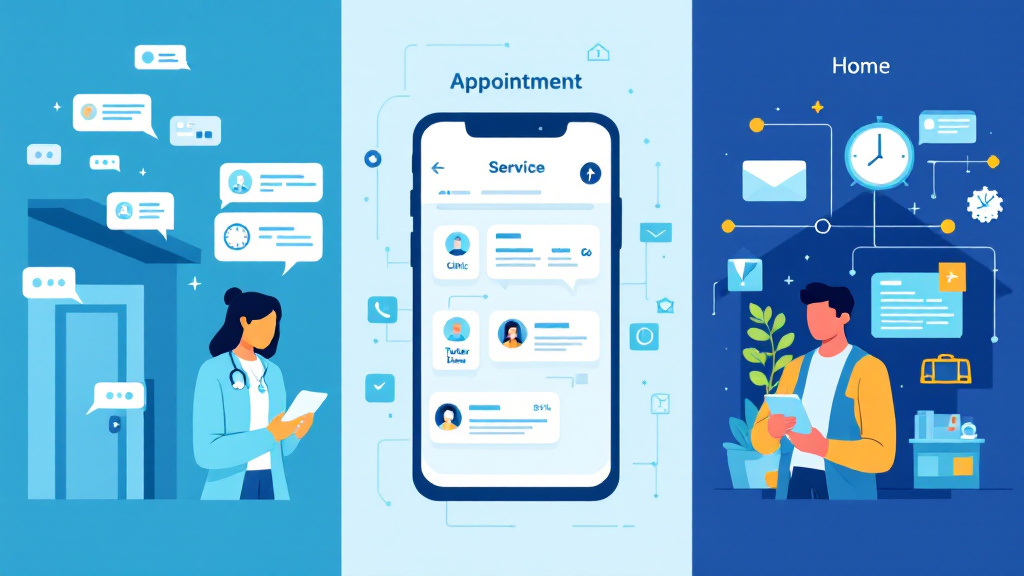
There is no single response-time target for every service business, but the principle is consistent: reply as quickly as the customer expects, especially during high-intent moments. An automated acknowledgment should ideally arrive within seconds, while a personalized response should follow within a few minutes when the business is open. If a team cannot answer immediately, a clear message can set expectations, collect key details, and offer a realistic follow-up time.
The best benchmark is not simply average speed; it is the time between inquiry and useful progress. A clinic should move from “Do you have availability?” to appointment options. A tutor should clarify the subject, level, and preferred schedule. A repair provider should gather the problem, location, and urgency. Tracking first-response time, time to qualified lead, booking rate, and unanswered conversations reveals where opportunities are being lost. AI can summarize conversations, identify purchase intent, and prioritize likely buyers so staff focus first on inquiries most likely to convert.
Build a Faster Inquiry-to-Booking Workflow

Improving lead response time does not require a complicated CRM or a larger administrative team. Start by creating a small set of reusable replies for common questions, such as pricing, availability, location, preparation, and cancellation policies. Connect the conversation to a shared calendar so staff can offer real appointment options instead of checking availability manually. When appropriate, send a secure booking or payment link directly from the conversation, then schedule reminders for customers who have not confirmed.
A lightweight conversational CRM can bring these steps together: capture the inquiry, create a structured customer record, summarize the request, assign a status, and recommend the next action. Automation should support human service rather than make every interaction feel robotic. Keep messages clear, give customers an easy way to ask for help, and review missed conversations each week. Over time, these small improvements create a repeatable process that increases conversions, strengthens customer experience, and makes service business growth more dependable than simply spending more on ads.